City Government Feature: The Rise of New Custom Home Construction in Brenham TX

City Government News for new custom home construction Brenham TX

Brenham, Texas continues to stand out as one of the most recognizable communities in Washington County, known for its historic charm, strong local identity, small-town character, and steady growth. As more families, retirees, professionals, and investors look for places that offer both quality of life and long-term value, the demand for thoughtfully planned residential development has become an important part of the local conversation. For city leaders, builders, homeowners, and residents, the rise of custom home construction reflects more than new houses being built. It reflects confidence in Brenham’s future, pride in local neighborhoods, and a shared interest in preserving the character that makes the city special. 🏛️

A city government website is often one of the first places residents visit when they want reliable information about permits, development standards, planning, zoning, public meetings, and community updates. That makes it an ideal platform for discussing how residential growth fits within the broader goals of responsible development. The increase in new custom home construction Brenham TX is part of a larger pattern happening across many Texas communities, where buyers want homes that are designed for the way they live rather than settling for one-size-fits-all layouts.

Brenham’s growth is not only about construction. It is about infrastructure, land use, public services, economic development, and the balance between progress and preservation. As highlighted by the official City of Brenham Development Services, areas such as zoning, platting, land use, building permits, inspections, and code enforcement play a key role in how growth is managed. These city government functions help ensure that new residential projects support the long-term health, safety, and livability of the community.

Brenham’s Appeal as a Place to Build

Brenham has a strong identity rooted in history, location, and community pride. Located between Houston and Austin, the city offers access to major Texas markets while maintaining a quieter pace of life. This combination has made Brenham attractive to homebuyers who want space, comfort, and a stronger connection to community without giving up access to regional business, education, medical, and cultural opportunities.

The city’s history also adds to its appeal. Brenham is widely associated with Washington County’s heritage, local businesses, historic architecture, and community traditions. For readers seeking background on the city’s broader identity, Wikipedia’s overview of Brenham, Texas provides a helpful starting point. While custom home construction is a modern development trend, it fits naturally within a city where people value both personal expression and lasting roots.

Custom homes are especially appealing in communities like Brenham because they allow homeowners to design properties that match the land, lifestyle, and neighborhood. Instead of adapting daily life to a prebuilt floor plan, families can plan around home offices, outdoor living areas, energy efficiency, aging-in-place features, larger kitchens, guest spaces, workshops, and other practical needs. This type of building can help strengthen neighborhoods because homeowners are often deeply invested in both the home and the community around it.

Why City Government Matters in Residential Growth

City government plays an essential role in guiding how new residential construction takes shape. While home design may begin with a property owner and builder, the broader process involves building codes, inspections, subdivision rules, utility connections, drainage considerations, streets, setbacks, land use standards, and public safety requirements. These responsibilities help protect both individual homeowners and the public interest.

For example, local building requirements help ensure that homes are constructed with attention to safety, durability, and community standards. The City of Brenham Code of Ordinances gives residents and professionals access to the rules that guide local governance. This type of transparency is valuable because it helps property owners, developers, and builders understand expectations before projects move forward.

Responsible city oversight does not have to slow growth. Instead, it helps growth happen in a more orderly and sustainable way. When construction follows clear standards, the result can be stronger neighborhoods, fewer conflicts, better infrastructure planning, and greater confidence among residents. Homeowners benefit from knowing that their investment is part of a regulated process designed to support safety, consistency, and long-term community value.

Custom Homes and Local Economic Development

New custom home construction can support a local economy in several ways. Construction activity often involves architects, designers, engineers, surveyors, contractors, electricians, plumbers, roofers, concrete crews, landscapers, suppliers, title companies, lenders, real estate professionals, and local service providers. When residential construction increases, it can create demand across multiple sectors.

A custom home is not only a private investment. It can also contribute to the local tax base, support job creation, and encourage additional spending in the community. New residents may shop locally, dine locally, hire local maintenance companies, support local schools, attend community events, and participate in civic life. Over time, this activity can strengthen Brenham’s business environment while helping the city fund services that residents depend on.

The broader role of city government in Texas is also supported by organizations such as the Texas Municipal League, which provides resources, updates, and support for cities across the state. City leaders often rely on statewide municipal resources to stay informed about legislative changes, local government best practices, public service responsibilities, and community development trends.

Balancing Growth With Community Character

One of the most important parts of residential growth is protecting the identity that made people want to live in Brenham in the first place. Custom home construction can support this goal when projects are designed with respect for the surrounding area, the natural landscape, and the established character of the community.

Brenham’s charm is closely connected to its historic feel, open spaces, local businesses, and neighborhood personality. New homes that are thoughtfully designed can add value without making the city feel generic. Builders and homeowners can contribute to this balance by considering architectural style, lot placement, landscaping, drainage, setbacks, outdoor living spaces, and materials that fit the local environment.

City government also has a role in maintaining that balance. Planning, permitting, public input, code enforcement, and infrastructure review can help ensure that new development supports the community instead of overwhelming it. Growth is most successful when it respects both current residents and future needs.

Across Texas, city government news often reflects the same larger theme: communities want progress, but they also want accountability, transparency, and planning. The Texas Municipal League Monday Connect News is one example of a resource that shares updates related to Texas cities and local government issues. These types of updates help show how municipal decisions shape daily life across the state.

The Role of Transparency and Public Trust

Trust is one of the most important factors in any growing city. Residents want to know that decisions about development, spending, infrastructure, permits, and public services are handled responsibly. When city government provides easy access to information, it strengthens public confidence and encourages better communication between residents, builders, and officials.

Transparency is especially important when growth is visible. New homes, subdivisions, road improvements, utility upgrades, and land development can all raise public interest. Residents may want to understand how projects are approved, how infrastructure is funded, and how growth affects the city’s long-term plans.

The Texas Comptroller Local Government Transparency resource highlights the importance of giving taxpayers a clearer view of local government operations. For a city like Brenham, open access to public information can help residents feel more informed and connected as the community continues to evolve.

A city government website can support trust by publishing clear content about permits, development services, public meetings, building standards, neighborhood updates, and community planning. Articles about residential construction can also help residents understand why growth is happening, how it is managed, and what it may mean for the future.

Housing Choice and the Future of Brenham

The rise of custom home construction also reflects changing expectations among homebuyers. Many people now want homes that are more flexible, efficient, and personalized. Remote work, multigenerational living, outdoor entertaining, energy-conscious design, and long-term accessibility have all influenced what buyers expect from a home.

Custom construction allows homeowners to plan for today and tomorrow. A family may want a home office that can later become a guest room. Retirees may want single-story living with wider doorways and low-maintenance outdoor spaces. A growing family may want storage, recreation space, and a floor plan that supports daily routines. These choices can make a home more useful over time and can reduce the need for major renovations later.

At the state level, housing remains a major topic of public interest. The Texas Department of Housing and Community Affairs provides housing-related information and programs for Texans. While custom homes serve a specific part of the residential market, they are still part of the larger housing conversation because every community benefits from a range of housing options that support different stages of life and different household needs.

Infrastructure, Planning, and Long-Term Community Value

Residential growth works best when it is supported by strong infrastructure planning. Streets, utilities, drainage, emergency services, parks, schools, and public facilities all influence how well a city can handle growth. Custom homes may be built one property at a time or as part of larger residential development, but each project still connects to the broader community.

This is why planning matters. A well-built custom home can add beauty and value to a property, but long-term success depends on how that home fits within the city’s infrastructure and development framework. City review processes help make sure construction aligns with safety standards and practical requirements.

Brenham’s future growth will likely continue to depend on cooperation among homeowners, builders, developers, city staff, elected officials, and residents. When each group understands its role, the process becomes more effective. Homeowners bring vision. Builders bring technical skill. City staff bring guidance and review. Residents bring local knowledge and community perspective. Together, these efforts can help Brenham grow in a way that feels strong, steady, and responsible.

Conclusion

The rise of new custom home construction in Brenham reflects a city that continues to attract people who value quality, community, and long-term investment. For homeowners, custom construction offers the opportunity to build a home that fits their lifestyle, land, and future goals. For the local economy, residential construction can support jobs, services, property values, and community activity. For city government, it creates an opportunity to guide growth with transparency, planning, and responsible oversight.

Brenham’s strength has always come from its ability to honor its past while preparing for the future. As more people choose to build in the area, the city’s role in managing development becomes even more important. Through clear standards, accessible public information, thoughtful planning, and respect for community character, Brenham can continue growing without losing the qualities that make it unique.

Custom home construction is not just about new rooftops across the landscape. It is about families choosing Brenham, builders investing in quality, and city government helping ensure that growth supports the public good. With careful planning and continued civic engagement, Brenham is well positioned to remain one of Texas’s most appealing communities for those who want a home built with purpose, pride, and a lasting connection to place.

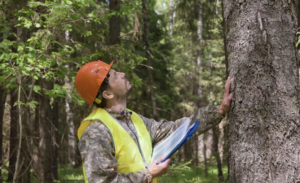
City Government Tree Hazard Assessment: The Safety Check Every Community Should Know About

Tree Hazard Assessment for City Government News

Cities depend on trees for shade, beauty, cleaner air, stormwater support, neighborhood character, and public comfort. A healthy urban canopy can make streets more walkable, parks more inviting, and public spaces more valuable to the people who use them every day. However, the same trees that improve a community can also create serious safety concerns when they become structurally weak, diseased, storm-damaged, or poorly maintained. For city governments, tree safety is not just a landscaping issue. It is a public works issue, a risk management issue, and a community trust issue.

A professional Tree Hazard Assessment gives municipalities a structured way to identify trees that may pose a danger to people, vehicles, sidewalks, roads, utilities, public buildings, and neighboring properties. This type of assessment helps city leaders move from reactive emergency response to proactive public safety planning. Instead of waiting for a limb to fall across a street or a compromised tree to fail during a storm, communities can document risks, prioritize action, and make informed decisions based on professional evaluation.

City government news often focuses on road improvements, public safety budgets, park upgrades, storm recovery, and infrastructure planning. Tree risk belongs in that same conversation. Trees are living infrastructure, and like bridges, sidewalks, drainage systems, and streetlights, they require inspection, maintenance, and long-term planning. The U.S. Forest Service Urban and Community Forestry Program recognizes urban forests as important community assets that require ongoing care, planning, and management. For cities of every size, tree hazard work is one of the practical steps that protects both people and public investment.

Why Tree Hazard Assessment Matters for City Governments

City governments are responsible for maintaining safe public spaces. This includes parks, streets, municipal properties, trails, medians, downtown corridors, public parking areas, schools, libraries, cemeteries, and other shared spaces where residents and visitors gather. When a hazardous tree is located in one of these areas, the potential consequences can be significant. A falling limb can damage a parked vehicle, block emergency access, strike a pedestrian, interfere with utilities, or create liability concerns for the municipality.

A tree may look healthy from a distance while still having internal decay, root instability, included bark, dead limbs, fungal growth, storm cracks, or structural defects. Many of these issues are not obvious to the general public. That is why a formal inspection process is so important. A trained professional can evaluate tree structure, site conditions, targets, species characteristics, health indicators, and likelihood of failure. The goal is not to remove every tree that has a defect. The goal is to understand the level of risk and recommend the most reasonable action.

The International Society of Arboriculture provides education, credentials, and professional resources for arboriculture, helping establish standards of knowledge for tree care professionals. For city governments, working with qualified arborists or tree risk specialists helps ensure that decisions are based on accepted industry practices rather than guesswork or public pressure alone. This matters when budgets are limited, emotions are high, or a beloved public tree requires difficult action.

Trees as Public Infrastructure

Modern city planning increasingly recognizes trees as part of public infrastructure. They cool streets, reduce glare, soften hardscapes, improve walkability, support wildlife, and make neighborhoods more livable. The concept of urban forestry includes the care and management of trees and tree populations in urban settings, and that management includes safety, maintenance, preservation, planting, and long-term planning.

This is especially important in built environments where trees face unique stress. Urban trees often grow near pavement, compacted soil, underground utilities, curb cuts, road salt, poor drainage, vehicle impacts, construction disturbance, and limited root space. These conditions can weaken trees over time. A tree that may thrive in a forest setting can struggle in a narrow tree lawn between a road and a sidewalk. When stress builds over many years, it can increase the likelihood of decline, limb failure, or full tree failure.

For city governments, this means tree safety cannot be treated as a one-time project. It should be part of routine infrastructure management. Just as cities inspect roads after winter, review drainage after major storms, and assess public buildings for maintenance needs, they should also inspect public trees on a scheduled basis. Tree hazard work becomes especially important after severe weather, flooding, construction projects, pest outbreaks, or citizen reports of leaning trees and broken limbs.

What a City Tree Hazard Assessment Looks At

A city tree hazard review typically considers the condition of the tree, the location of the tree, and the likelihood that a failure would affect people or property. A defect matters more when there is a target nearby. For example, a dead limb over an unused wooded area may be a lower priority than a similar limb over a playground, bus stop, sidewalk, or busy street. Professional assessment weighs both the condition of the tree and the consequences if part of that tree fails.

Inspectors may look for deadwood, hanging limbs, cracks, cavities, decay, fungal fruiting bodies, poor branch attachments, root damage, soil heaving, trunk wounds, canopy imbalance, pest activity, and signs of decline. They may also consider the tree species, age, size, growth habit, past pruning history, exposure to wind, proximity to buildings, and recent site disturbance. The USDA Forest Service guide on urban tree risk management was designed to help communities develop programs, train field staff, and identify hazardous defects in urban trees.

Assessment does not always result in removal. Many trees can be managed with pruning, cabling, monitoring, soil improvements, pest treatment, site protection, or restricted access beneath a hazardous branch. In other cases, removal may be the safest and most responsible choice. The value of a structured assessment is that it creates a documented process for choosing the right response based on risk, not assumption.

How Tree Risk Planning Supports Public Safety

Public safety departments often deal with the consequences of tree failure after the fact. A tree falls across a road, a limb lands on a vehicle, a storm damages a park, or emergency crews must clear access for fire, police, or medical response. Tree hazard planning helps reduce these disruptions by identifying risks before they become emergencies.

This is especially valuable for public works departments. When tree risks are documented, crews can prioritize the highest-risk locations first. A city may choose to focus on trees near schools, senior centers, high-traffic roads, public trails, municipal buildings, and storm evacuation routes. Instead of treating every complaint the same, city staff can use professional recommendations to create a ranked maintenance plan.

A strong assessment program also helps city councils and administrators explain budget decisions to the public. Tree work can be expensive, and residents may not always understand why pruning, removals, or replacements are necessary. Clear documentation helps officials show that decisions are made for safety, sustainability, and long-term canopy health. In that way, hazard assessments improve both risk management and public communication.

The Role of Documentation and Accountability

Documentation is one of the most important parts of municipal tree risk management. A city that keeps clear records can show when trees were inspected, what conditions were observed, what recommendations were made, and what actions were taken. This can be helpful for budgeting, grant applications, insurance discussions, emergency planning, and future inspections.

Good records also help prevent inconsistent decision-making. Without documentation, tree work can become complaint-driven or politically driven. One resident may demand removal of a tree because leaves fall on a driveway, while another may object to removing a tree with visible decay. Professional documentation gives city officials a neutral reference point. It helps separate personal preference from public safety.

Cities can also use tree inventory software, GIS mapping, and inspection records to track patterns across neighborhoods. If multiple trees in one area are declining due to pests, poor soil, or construction damage, the city can respond strategically. The Urban Forest Inventory and Analysis Program focuses on assessing trees and forests in urban settings, including their condition, benefits, and risks. Municipal-level documentation follows the same basic principle: better information leads to better management.

Balancing Safety With Tree Preservation

A responsible tree hazard program does not mean removing every old or imperfect tree. Mature trees provide major community benefits, and cities should preserve healthy public trees whenever possible. The best programs balance public safety with canopy preservation. They identify true hazards, recommend reasonable mitigation, and replace removed trees when appropriate.

This balance matters because public trust can be damaged when residents feel trees are removed without explanation. Many people have emotional attachments to large street trees, historic trees, park trees, and neighborhood shade trees. A professional assessment gives city leaders a way to explain why a tree can be retained, monitored, pruned, or removed. It also helps communities avoid unnecessary removals that reduce shade, beauty, and environmental benefits.

Tree preservation and public safety should not be treated as opposing goals. They work best together. When cities inspect trees regularly, they often catch problems early enough to preserve more trees. A pruning recommendation today may prevent a major limb failure later. Soil protection during construction may prevent root decline. Monitoring a tree after storm damage may allow it to remain safely in place. Preventive care is often better for both safety and canopy longevity.

Storm Preparedness and Emergency Response

Severe weather is one of the biggest reasons city governments need tree hazard planning. Heavy rain, saturated soil, high winds, ice, snow, and lightning can expose weaknesses that were already developing inside a tree. A city that has not inspected vulnerable trees may face more blocked roads, damaged utility lines, emergency removals, and public complaints after a storm.

Tree hazard assessments can support storm preparedness by identifying trees that need pruning, removal, or monitoring before storm season. This is especially important near emergency routes, power corridors, drainage channels, public buildings, and heavily used parks. After a storm, follow-up inspections can identify newly damaged trees that may not fail immediately but could become dangerous in the days or weeks that follow.

Municipal leaders can also coordinate tree risk work with broader emergency management planning. The Federal Emergency Management Agency provides resources for disaster preparedness and recovery, and city-level planning often includes debris removal, public safety communication, infrastructure restoration, and hazard mitigation. Trees fit naturally into that planning because they can become both storm assets and storm hazards, depending on their condition and location.

How Tree Hazard Assessments Improve City Budgets

Budget planning is easier when a city knows the condition of its public tree population. Without assessment data, tree work often becomes reactive. Emergency removals, after-hours crews, road closures, equipment rentals, and storm cleanup can cost far more than planned maintenance. A proactive approach helps city governments spread costs over time and make more efficient use of staff and contractors.

A documented hazard assessment allows cities to group work by priority, location, and equipment needs. For example, a municipality may schedule pruning in one district, removals in another, and follow-up inspections in parks after storm season. This can reduce mobilization costs and improve crew efficiency. It also helps city administrators justify funding requests because recommendations are tied to visible safety needs.

Tree risk planning can also support grants and partnerships. Urban forestry programs, environmental initiatives, stormwater projects, and community development plans often benefit from accurate tree data. When a city can show that it understands its public tree assets and risks, it is better positioned to make a credible case for funding, maintenance support, and long-term investment.

Public Communication and Community Confidence

Residents want safe streets, reliable services, attractive parks, and transparent decision-making. Tree hazard assessments help city governments communicate clearly about all four. When a city removes a dangerous tree, residents are more likely to understand the decision if officials can explain the safety concern and the plan for replacement. When a city preserves a large tree, residents can trust that the decision was made with professional input.

Public communication can include city website updates, council meeting reports, public works notices, park signage, neighborhood alerts, and storm preparation reminders. A city may also encourage residents to report hanging limbs, sudden leaning, cracked trunks, uprooted soil, or large dead branches near public areas. These reports should not replace professional inspection, but they can help city staff identify issues faster.

The National League of Cities regularly covers municipal priorities, governance, infrastructure, and community issues affecting local governments. Tree hazard planning fits within that broader city government news landscape because it connects public safety, infrastructure management, budgeting, sustainability, and resident communication.

Building a Strong Municipal Tree Risk Program

A strong municipal tree risk program begins with leadership commitment. City officials should recognize trees as public assets that require professional care. From there, communities can build a practical program that includes inventory, inspection schedules, risk ranking, maintenance priorities, emergency response procedures, public communication, and replacement planting.

The program does not have to be overly complicated to be effective. Smaller towns may begin with inspections of high-use areas such as parks, city hall, schools, main streets, and public parking lots. Larger cities may need a GIS-based tree inventory, dedicated urban forestry staff, specialized contractors, and a multi-year maintenance plan. The size of the program should match the size of the community, the number of public trees, and the level of risk exposure.

Training is also important. Public works employees, parks staff, and code enforcement personnel may be the first to notice visible defects. While they may not perform advanced assessments, they can be trained to recognize warning signs and refer concerns to qualified professionals. This creates a stronger early-warning system and helps the city respond before small problems become major incidents.

Conclusion

City Government Tree Hazard Assessment is more than a maintenance task. It is a safety check that every community should understand and value. Trees make cities healthier, cooler, more attractive, and more livable, but they also require responsible oversight. When municipalities inspect trees, document risks, prioritize maintenance, and communicate clearly with residents, they protect both public safety and the long-term health of the urban canopy.

A professional assessment gives city leaders the information they need to make confident decisions. It helps prevent avoidable accidents, supports storm readiness, improves budgeting, protects public property, and builds trust with residents. Most importantly, it allows communities to care for their trees in a way that is both practical and responsible.

Every city has roads, buildings, sidewalks, parks, and utilities to maintain. Public trees deserve the same level of attention. With regular tree hazard assessments, city governments can preserve the benefits of urban trees while reducing risks for the people who live, work, drive, walk, and gather beneath them.

The Hidden Home Crisis Cities Can’t Ignore: Why Attic Insulation Removal Companies Need Local Government Support

City Government News for Attic Insulation Removal and Replacement

🏠 Every city has problems people can see right away: potholes, traffic, aging sidewalks, vacant buildings, stormwater issues, housing shortages, and rising utility costs. But some of the most serious threats to a community are hidden above the ceiling, inside attics that homeowners rarely enter and city leaders often overlook. Old, damaged, contaminated, or inefficient attic insulation may not make the evening news, but it can quietly affect public health, home energy use, fire safety, housing affordability, and neighborhood stability.

That is why attic insulation removal companies deserve more attention from city governments. These companies are not simply home improvement contractors. They often work at the intersection of energy efficiency, indoor air quality, pest contamination, moisture control, building safety, and residential preservation. When city leaders discuss housing policy, sustainability, code enforcement, and public health, attic insulation should be part of the conversation.

City governments regularly support programs that help residents improve homes, reduce energy waste, and protect neighborhoods. According to USA.gov’s local government resources, local governments connect residents to services, officials, schools, taxes, and community programs. That same local connection makes city government uniquely positioned to educate homeowners about hidden risks inside older homes, including attic problems that can become expensive or dangerous when ignored.

Attic insulation removal companies need city government support because the work they do can help cities solve bigger problems before they become emergencies.

Why Attic Insulation Is More Than a Home Improvement Issue

For many homeowners, attic insulation is out of sight and out of mind. They may know their home feels too hot in summer or too cold in winter, but they may not realize that the attic could be the source of the problem. Old insulation can settle, become damaged by rodents, absorb moisture, collect dust, harbor odors, or lose its ability to regulate temperature. In some homes, insulation may be contaminated after pest infestations, roof leaks, smoke damage, or years of neglect.

When insulation fails, the homeowner often feels the impact through higher energy bills, poor comfort, stale indoor air, and worsening heating or cooling performance. But on a citywide scale, thousands of homes with failing insulation can contribute to major energy waste, increased strain on utilities, and declining housing quality. This makes attic insulation a public concern, not just a private repair.

The U.S. Census Bureau’s Census of Governments tracks the structure and scope of state and local government across the country, showing how deeply local governments are involved in public services, finance, and community operations. Cities already manage many systems that affect daily life. Supporting home efficiency education and safer housing improvements is a natural extension of that responsibility.

Attic insulation removal companies provide a service that can help preserve existing homes and reduce preventable problems. When cities recognize that, they can create stronger partnerships between homeowners, contractors, inspectors, housing departments, and energy-efficiency programs.

City Governments Have a Stake in Safer, Healthier Homes

A city is only as strong as the homes inside it. When houses deteriorate, neighborhoods suffer. When residents face high utility bills, moisture problems, pest contamination, or unhealthy indoor conditions, those problems do not stay isolated. They affect public health, housing stability, emergency services, and local economic resilience.

Old or contaminated insulation can contribute to poor indoor conditions. Rodent droppings, nesting materials, moisture, mildew, and debris can create serious concerns for homeowners. In older housing stock, insulation issues may go unnoticed for years, especially among elderly residents, low-income homeowners, or families who cannot afford major upgrades.

This is where city government support matters. Cities can help by educating residents, connecting homeowners to trusted resources, supporting weatherization programs, encouraging proper code compliance, and promoting safe renovation practices. They can also help ensure that contractors doing insulation removal work are properly trained, insured, and aware of local building expectations.

The National League of Cities focuses on helping city, town, and village leaders improve quality of life for residents. One major part of improving quality of life is making sure residents have safe, efficient, and livable homes. Supporting attic insulation removal companies fits into that larger mission because it helps homeowners address hidden issues before they become costly structural, health, or safety problems.

Energy Waste Is a Citywide Problem

Energy efficiency is one of the strongest reasons city governments should care about attic insulation. Heating and cooling costs are a major burden for many households. When insulation is damaged or insufficient, HVAC systems must work harder to keep homes comfortable. That means higher bills for residents and greater demand on energy systems.

Cities that promote energy efficiency often focus on public buildings, streetlights, commercial properties, or renewable energy programs. Those efforts matter, but residential attics should not be overlooked. A city full of poorly insulated homes wastes energy every day. Supporting attic insulation education and removal services can help reduce that waste from the top down.

This is especially important in communities with older housing. Many homes were built before modern efficiency standards became common. Some have insulation that is decades old. Others have been affected by roof leaks, animals, smoke, or poor ventilation. In these cases, simply adding more insulation may not solve the problem. The damaged material may need to be removed first so the attic can be cleaned, inspected, sealed, and properly upgraded.

Homeowners searching for professional help may need a trusted provider for Attic Insulation Removal and Replacement so they can address both the old insulation and the new performance needs of the home.

City governments can support this kind of work through public awareness campaigns, rebate information, contractor education, and partnerships with local housing or sustainability offices. When cities help residents understand the value of attic insulation upgrades, they support lower energy usage, more comfortable homes, and stronger neighborhoods.

Local Government Support Can Improve Public Awareness

One of the biggest challenges attic insulation removal companies face is that many homeowners do not know when attic insulation needs attention. Unlike a broken window or damaged roof, attic problems are hidden. A homeowner may not enter the attic for years. By the time signs appear inside the living space, the problem may already be advanced.

City governments can help close that awareness gap. Public education does not have to be complicated. Cities can include attic insulation reminders in seasonal home maintenance newsletters, housing department updates, energy-efficiency events, neighborhood meetings, senior homeowner programs, and emergency preparedness materials.

City leaders and managers already use public communication to guide residents on safety, permits, weather emergencies, trash pickup, road closures, and community events. The International City/County Management Association news section regularly highlights leadership and management issues affecting local governments. Strong communication is part of good local governance, and home safety education belongs in that communication strategy.

A city that educates residents about attic insulation concerns can help prevent expensive damage. Homeowners may learn to look for signs such as uneven room temperatures, rising energy bills, pest activity, musty odors, water stains, or visible insulation damage. This awareness can lead to earlier inspections and better outcomes.

Attic Insulation Companies Can Support Code Compliance and Safer Renovation

City governments are responsible for creating and enforcing standards that protect residents. Building codes, permitting systems, inspection departments, and housing rules all exist to make sure structures are safe. Attic insulation removal companies can support those goals when they work properly and professionally.

Insulation removal may reveal hidden issues that homeowners did not know existed. Contractors may discover roof leaks, poor ventilation, electrical concerns, animal entry points, mold-like growth, fire hazards, or structural damage. When these problems are found early, homeowners can take action before the issue becomes worse.

City government support does not mean giving special treatment to one industry. It means recognizing that attic insulation professionals can be part of a broader housing safety network. Cities can encourage residents to hire qualified contractors, follow permit requirements when needed, and address related issues responsibly.

News and analysis from Route Fifty focuses on challenges facing state, county, and municipal leaders. Local governments are constantly balancing budgets, infrastructure needs, emergency planning, and resident services. Supporting prevention-based home improvements is a practical way to reduce pressure on future city resources. A safer home today may mean fewer complaints, fewer emergency calls, fewer code violations, and fewer costly interventions tomorrow.

Aging Housing Stock Needs Local Attention

Many cities are filled with homes that were built decades ago. These houses often have character, history, and neighborhood value, but they also require maintenance. Aging housing stock can place pressure on homeowners and local governments alike. If homes are not maintained, cities may see increased blight, lower property values, higher energy waste, and greater demand for housing assistance.

Attic insulation removal companies can play an important role in preserving older homes. Before a homeowner invests in new insulation, air sealing, HVAC improvements, or roof repairs, the attic may need to be cleared of old or contaminated material. Removing damaged insulation can make it easier to inspect the attic, identify hidden problems, and prepare the space for proper upgrades.

Local governments can support this preservation effort by including attic insulation information in housing rehabilitation programs, community development initiatives, and homeowner assistance resources. This is especially valuable in cities where affordability is a concern. Helping residents maintain the homes they already own can be more cost-effective than dealing with widespread deterioration later.

The Wikipedia overview of local government in the United States explains that local governments vary widely in structure and authority, but their core purpose is tied to managing local concerns. Housing quality is one of the most local concerns a city can face. When attic insulation problems affect thousands of homes, city leaders should treat them as part of the larger housing conversation.

City Support Can Strengthen Trust Between Homeowners and Contractors

Homeowners are often cautious when hiring contractors, especially for services they do not fully understand. Attic insulation removal can sound messy, technical, or expensive. Some homeowners may delay the work because they are unsure whom to trust. Others may hire unqualified providers and end up with poor results.

City governments can help create a more trustworthy environment by promoting consumer education. This may include encouraging homeowners to verify licensing where applicable, ask about insurance, request clear estimates, understand the scope of removal and replacement, and avoid shortcuts. City websites can also point residents toward general home improvement guidance without endorsing one specific company.

This helps reputable attic insulation removal companies stand out. When local governments educate residents about safe hiring practices, professional companies benefit because homeowners are more likely to value quality work over the cheapest offer.

Public trust is also strengthened when contractors understand city expectations. Cities can host workshops, share code updates, clarify permit requirements, and maintain open communication with local service providers. That kind of relationship benefits everyone: homeowners, contractors, inspectors, and the city itself.

Attic Insulation Removal Supports Sustainability Goals

Many cities are working toward sustainability, resilience, and smarter use of resources. Home energy efficiency is a key part of that mission. While large infrastructure projects often get the most attention, small improvements across thousands of homes can create meaningful results.

Attic insulation removal and replacement supports sustainability by helping homes use heating and cooling systems more efficiently. It can also reduce waste caused by repeated temporary fixes. When old contaminated insulation is properly removed and replaced, homeowners can improve comfort and reduce energy loss for years.

City leaders following outlets like Smart Cities Dive understand that modern cities are looking for practical ways to become more efficient and resilient. Smart city planning should not only focus on sensors, traffic systems, and data platforms. It should also include basic housing performance. A city cannot be truly efficient if a large percentage of its homes are leaking energy through poorly maintained attics.

Supporting attic insulation companies aligns with practical sustainability. It is not flashy, but it works. It helps residents save money, helps homes perform better, and helps cities move closer to energy-conscious goals.

Why City Government Support Should Not Be Complicated

City government support does not have to mean expensive new programs. In many cases, the most helpful actions are simple, practical, and affordable. Cities can add attic insulation education to existing homeowner resources. They can include insulation topics in seasonal maintenance campaigns. They can share information about energy audits, weatherization assistance, and safe contractor hiring. They can coordinate with local utility programs when available. They can invite qualified contractors to participate in community education events.

Local news and policy outlets such as Governing regularly cover the management and policy issues facing state and local governments. City leaders are constantly being asked to do more with limited resources. Supporting attic insulation awareness is a low-barrier way to help residents prevent problems before they become more expensive.

This approach also supports small local businesses. Attic insulation removal companies are often part of the local service economy. When cities help residents understand the importance of this work, they also help responsible contractors grow, hire, train, and serve the community. That is good for homeowners and good for the local economy.

Conclusion

The hidden home crisis cities cannot ignore is not always dramatic from the outside. It may be sitting quietly in the attic: old insulation, damaged materials, rodent contamination, moisture problems, air leaks, and wasted energy. These issues may begin inside individual homes, but their impact can spread across neighborhoods and city systems.

Attic insulation removal companies need city government support because their work supports healthier homes, safer living conditions, better energy efficiency, stronger housing preservation, and greater public awareness. They help uncover hidden problems and prepare homes for lasting improvements. In a time when cities are focused on sustainability, affordability, resilience, and public health, attic insulation belongs in the conversation.

City governments do not need to take over the industry. They simply need to recognize its value. Through education, partnerships, homeowner resources, code awareness, and support for responsible contractors, cities can help residents make better decisions about the homes they live in every day.

A strong city is not built only on roads, utilities, and public buildings. It is built on safe, efficient, well-maintained homes. And sometimes, the path to a stronger city starts in the attic.

How Fixed Operations Support Efficiency in City Government

City Government News for Fixed Operations

City government runs on consistency. Residents may notice the big public-facing moments such as council decisions, capital projects, emergency response, or community initiatives, but the daily performance of a city is often determined by what happens behind the scenes. Fleet readiness, facility upkeep, work-order discipline, preventive maintenance, vendor coordination, parts availability, and service scheduling all shape whether a city can deliver dependable public service. In the broad world of local government, the communities that perform best are often the ones that treat operational discipline as a core leadership responsibility rather than a background task.

That is where Fixed Operations becomes especially valuable in City Government. In a municipal setting, fixed operations can be understood as the systems, routines, and service workflows that keep essential assets and departments functioning efficiently every day. This includes city vehicles, sanitation equipment, service bays, public works shops, building maintenance programs, procurement coordination, repair documentation, and the internal standards that help staff do the right work at the right time. When these systems are strong, city departments respond faster, protect budgets better, reduce avoidable downtime, and build public trust through dependable service.

City leaders who stay connected to current municipal trends through sources such as ICMA News, National League of Cities News & Insights, Governing’s local government coverage, Government Technology’s local government reporting, Smart Cities Dive, and Route Fifty keep seeing the same message in different forms: local government performance increasingly depends on better systems, sharper accountability, smarter use of data, stronger workforce practices, and tighter operational follow-through. Fixed operations supports all of that by turning day-to-day municipal work into something more measurable, more repeatable, and more effective.

Fixed Operations Creates the Operational Backbone of City Government

City Government cannot afford to operate in a reactive mode all the time. When a city waits until vehicles break down, buildings deteriorate, supplies disappear, or work orders pile up, the result is not just inconvenience. It is slower service, wasted labor, unnecessary spending, resident frustration, and preventable strain on staff. Fixed operations brings structure to this environment by creating a dependable operating backbone.

In practical terms, that means service schedules are documented and followed. Maintenance histories are tracked. Equipment inspections are not left to memory. Repair approvals move through a known process. Inventory is monitored before shortages become emergencies. Vendors are evaluated based on performance instead of habit. Technicians and supervisors work from the same information instead of separate assumptions. These may sound like routine improvements, but in City Government, routine is where efficiency is won or lost.

A city with strong fixed operations is better equipped to support sanitation, streets, utilities, parks, public works, building services, and internal support functions because those departments depend on operational stability. A missed maintenance interval on a truck, an untracked part order, or an unclear repair priority can create ripple effects that delay service far beyond one department. Strong fixed operations reduces those ripple effects by building clarity into the system before pressure hits.

Better Asset Management Leads to Better Use of Public Dollars

City Government is expected to do more with limited resources. That is one reason fixed operations matters so much. Every avoidable breakdown, duplicate order, emergency repair, or unnecessary asset replacement increases cost pressure. On the other hand, every well-maintained vehicle, every accurate service record, and every well-timed preventive repair stretches the value of public investment.

Efficiency in government is not just about moving faster. It is about protecting value over time. A city that understands the condition of its fleet, buildings, tools, and maintenance schedules can make better decisions about replacement timing, budgeting, staffing, and procurement. Instead of guessing which asset needs attention next, leadership can act from a clearer operational picture. Instead of paying premium costs for last-minute fixes, teams can plan service earlier and more intelligently.

This matters even more as local government reporting continues to focus on budget pressure, IT spending discipline, public expectations, and the need for stronger governance. Recent coverage from municipal and local government sources continues to highlight how cities are being pushed to improve performance while managing tighter resources and rising demands. Fixed operations supports that goal because it turns operational waste into operational visibility.

Fixed Operations Improves Service Reliability Across Departments

Residents do not usually describe city performance in technical terms. They experience it through outcomes. Was the vehicle available. Was the issue resolved on time. Was the facility safe and functioning. Was the request handled with consistency. Was the response delayed because something internal broke down. Fixed operations affects all of these outcomes because reliability in public service often depends on reliability in internal systems.

A city department that has dependable maintenance workflows can keep vehicles in service longer and reduce disruption to daily routes. A facilities team with organized inspections and repair priorities can prevent minor issues from becoming costly interruptions. A public works division with clear parts management and service scheduling can keep essential tools moving without unnecessary delays. A city administration with stronger operational documentation can answer internal and external questions more confidently because the records exist and the process is visible.

This reliability also improves cross-department coordination. City Government rarely works in isolated lanes. Public works depends on procurement. Fleet depends on finance approvals. Facilities depends on scheduled access and communication. Emergency services may depend on readiness from multiple support units. Fixed operations helps connect these moving parts by reducing ambiguity. When the work is documented well and managed consistently, departments collaborate from the same operational truth.

Strong Fixed Operations Supports Accountability and Public Trust

Trust in City Government is built in many ways, but operational consistency plays a larger role than many people realize. Residents may never see a service checklist or work-order dashboard, but they feel the impact of whether city systems are organized and dependable. Consistent service delivery creates confidence. Repeated delays, unclear status updates, and visible breakdowns weaken it.

Fixed operations helps build accountability because it replaces vague explanations with concrete information. Leadership can see what was scheduled, what was completed, what is overdue, what assets are costing more than expected, and where bottlenecks keep appearing. Supervisors can coach teams with facts instead of assumptions. Departments can justify budget requests with performance patterns instead of broad claims. That kind of clarity matters in government because public institutions are expected to show stewardship, not just effort.

This is one reason city leaders continue to pay close attention to management practices, civic trust, and service modernization. Coverage across local government and smart city publications keeps pointing to the same challenge: cities need systems that make operations more transparent, more measurable, and more responsive. Fixed operations contributes directly to that goal because it strengthens the daily discipline that accountability depends on.

Fixed Operations Helps City Government Use Technology More Wisely

Technology alone does not create efficiency. City Government can invest in software, fleet platforms, work-order systems, digital inspections, or reporting dashboards, but if the underlying processes are weak, the technology simply records confusion faster. Fixed operations gives technology something useful to support. It establishes the workflows, standards, priorities, and service expectations that digital tools can then reinforce.

That is why some of the most effective municipal improvements begin with process discipline rather than software selection. A city first needs to know how maintenance should be scheduled, how requests should be triaged, how approvals should move, how asset histories should be logged, and how success should be measured. Once those operational rules are clear, technology becomes a force multiplier. It speeds communication, improves reporting, strengthens visibility, and reduces manual friction.

This aligns with what local government coverage has been emphasizing around digital modernization and artificial intelligence. Municipal innovation works best when cities pair technology adoption with governance, policy discipline, and operational clarity. Fixed operations provides that clarity. It makes sure new tools support real service goals rather than becoming disconnected systems that staff resent or ignore.

Workforce Performance Gets Stronger When Systems Are Clear

Another reason fixed operations matters in City Government is workforce stability. Municipal teams do not just need hardworking people. They need environments where people can succeed without constantly reinventing the process. Clear systems reduce frustration, shorten learning curves, improve handoffs, and help departments retain knowledge even when staffing changes.

When technicians, coordinators, supervisors, and department heads all work from defined procedures, the organization becomes less dependent on tribal knowledge. That protects continuity. It also protects morale. Employees are more likely to stay engaged when the work environment feels organized, priorities are understandable, and expectations are fair. In contrast, weak operational systems tend to exhaust good employees because too much time gets wasted on chasing information, solving preventable problems, and compensating for breakdowns that should have been addressed earlier.

That concern is especially relevant as city and local government coverage continues to discuss workforce shortages, skills gaps, and the pressure on public-sector teams to produce strong results with limited capacity. Fixed operations cannot solve every hiring challenge, but it can make existing teams more effective by making the work more structured, more supportable, and less chaotic.

Conclusion

Fixed operations may not always be the most visible topic in City Government, but it is one of the most important. It sits underneath service reliability, budget stewardship, workforce performance, asset life, internal accountability, and resident confidence. When the operational core of a city is organized, documented, and consistently managed, the city is better positioned to serve people well.

That is why fixed operations should not be treated as a narrow maintenance concern. It is a leadership issue, a systems issue, and a public-service issue. For City Government, efficiency is not created by urgency alone. It is created by repeatable discipline, clear processes, sound asset management, and better coordination across the departments residents depend on every day. Fixed operations supports that kind of efficiency by helping cities move from reactive service to reliable service, and from scattered effort to stronger performance.

Concrete Staining Palm Beach: What Palm Beach City Government Needs to Consider

City Government News for Concrete Staining Palm Beach

Concrete surfaces play a visible role in how government property is experienced by residents, visitors, contractors, and business owners. Walkways, entry areas, courtyards, plazas, public-facing service zones, and surrounding hardscape all communicate something before a single word is spoken. In a place like Palm Beach, where appearance, maintenance standards, public expectations, and long-term stewardship all matter, surface decisions should never be treated like an afterthought. That is why Concrete Staining Palm Beach deserves serious attention when municipal properties are being updated, refreshed, or planned for long-term use.

Palm Beach is formally governed through the Town of Palm Beach, not a city government structure in the technical sense, and the town publishes public information through its official government pages, council resources, department pages, newsletters, and news releases. That matters because any discussion about public surface upgrades should be viewed through the lens of local process, public accountability, and department coordination rather than through a purely decorative or private-property mindset. Palm Beach, Florida and the town’s official Town Government resources make that civic framework clear.

Why Municipal Surface Decisions Deserve More Attention

When a government property is upgraded, the decision is rarely just about color or immediate curb appeal. It is about public confidence, upkeep, visual consistency, use patterns, and whether a finish will continue to look appropriate months and years after the work is completed. A stained concrete surface can give existing concrete a more finished and intentional appearance without making the area feel overly flashy or out of character. For a public setting, that balance matters. The goal is not to create something trendy. The goal is to create something clean, durable-looking, and appropriate for a civic environment.

For Palm Beach, those decisions also sit within a visible public system. The town’s official channels include the Mayor & Town Council, formal Town News Releases, and public communications that regularly point residents toward issues involving infrastructure, access, parking, and town projects. A surface treatment on government property therefore becomes part of a bigger conversation about maintenance priorities, resident experience, and how municipal space is managed in public view.

Appearance, Public Confidence, and Civic Character

Government buildings and public-facing facilities do not need luxury finishes, but they do need a polished and cared-for appearance. Residents are more likely to trust a public environment that looks orderly, maintained, and intentional. Faded or blotchy concrete can make even a well-run property feel neglected. Concrete staining offers a way to improve the visual tone of existing hardscape while keeping the result grounded and practical.

That point is especially important in Palm Beach because local expectations around appearance are naturally high. In a community known for strong civic identity, preserved character, and visible attention to environment and presentation, municipal surfaces should support that standard instead of working against it. A well-selected concrete stain can help public spaces look more unified with nearby architecture, landscaping, and circulation areas while still remaining functional and straightforward.

This is where government judgment matters most. Public property should not be designed the way a private entertainment venue would be designed. It should reflect stability, restraint, and care. Neutral tones, natural-looking finishes, and surfaces that complement the surrounding setting are usually far better choices than bold treatments that may date quickly or distract from the civic purpose of the site.

Department Coordination, Permitting, and Process

A good-looking surface is never the only issue. Palm Beach officials should also think through who needs to review the work, how it fits within local procedures, and whether the improvement affects drainage, access, maintenance obligations, or other nearby project scopes. Even a relatively straightforward exterior improvement can become more complicated when it touches a public path, a building entry, a permit requirement, or an area with broader site considerations.

The town already separates responsibilities across key departments, including Public Works, Planning, Zoning & Building, and engineering-related functions. That alone tells decision-makers that surface upgrades should be treated as coordinated municipal work rather than a simple cosmetic purchase. If concrete staining is being considered for a government property, it should be reviewed with the full site context in mind so the finish aligns with maintenance plans, permitting needs, and public-use expectations.

In practice, that means the right conversation is not merely, “Would stained concrete look better here?” The stronger question is, “Would this finish support the property’s public purpose, maintenance plan, and code pathway while still presenting the right image for Palm Beach?” That is the kind of thinking that raises the quality of public decision-making.

Historic Sensitivity and Community Fit

Palm Beach is not a place where government improvements should feel disconnected from local character. Civic spaces exist within a broader visual and historical setting, and public design choices should respect that. Not every municipal property is historic, but every municipal property sits within a community that notices how public improvements look and whether they feel appropriate.

When surface upgrades are considered near architecturally sensitive areas, traditional streetscapes, or highly visible public locations, the finish should feel compatible with the setting. Concrete staining can work well in those environments when the tone is subdued, the application is even, and the visual result enhances the setting instead of competing with it. The safest long-term approach is usually one that favors timelessness over novelty.

That same mindset fits with how Palm Beach presents itself publicly. The town’s official information structure emphasizes government process, public projects, and civic communication rather than flashy presentation. A concrete finish used on public property should support that same spirit. It should look intentional, not attention-seeking.

Coastal Conditions, Maintenance Reality, and Long-Term Planning

Palm Beach surface decisions should also be viewed through the reality of a coastal environment. The town’s public information regularly highlights shoreline conditions, infrastructure concerns, and project updates tied to the local setting, including Current Coastal Protection Projects, planned traffic impacts, and parking-related public guidance through Park in Palm Beach. That ongoing public communication reflects a simple truth: municipal surfaces in Palm Beach exist within a demanding, highly managed environment.

Because of that, the best concrete staining decision is not the one that looks best on day one. It is the one that still performs visually after exposure, cleaning cycles, foot traffic, public use, and the ordinary wear that comes with government property. Town leaders and facility managers should think carefully about maintenance expectations before selecting a finish. A stain that requires excessive correction, frequent touch-up, or special treatment may not be the strongest municipal choice, even if it looks appealing at first.

Long-term planning also means documenting where stained concrete is used, how it is maintained, and what products or procedures are compatible with future upkeep. Government properties outlast staff changes, contractor changes, and budget cycles. A finish should be selected with that continuity in mind.

Accessibility, Safety, and Public Use

Public property carries a different level of responsibility than private property. It must serve a broad range of users, and the experience of moving through a space matters. Any staining decision should therefore be paired with a close review of how the surface will function in real-world public use. A beautiful finish that creates visual confusion at a transition point or does not support confident movement across the site is not a good civic solution.

For Palm Beach government settings, safety-minded planning should include surface consistency, visibility under changing light, compatibility with site circulation, and how the space is cleaned and maintained over time. Entry areas, ramps, service zones, and high-traffic walkways deserve especially careful review. The strongest public projects are the ones where appearance and public usability support each other instead of competing.

Government transparency matters here too. The town provides a formal process for How to Submit a Public Comment, and that kind of public-facing structure reminds officials that visible property changes can become community-facing decisions. When a finish affects how a place is experienced, documenting the reasoning behind the choice helps protect public trust.

Procurement, Standards, and Reputation

Public work should never rely on vague descriptions such as “make it look better.” If concrete staining is selected for a Palm Beach government property, the scope should be defined clearly. The municipality should know what appearance standard is expected, what preparation is required, what the finish should accomplish, and what the acceptance standard will be after the work is complete. Clarity protects budgets, schedules, and public expectations.

That is also where reputation comes into play. Every visible municipal improvement contributes to how residents perceive competence. A well-managed staining project can make an older hardscape area feel renewed and respected. A poorly defined one can create inconsistency, complaints, and avoidable rework. Trust grows when government work appears deliberate, well-reviewed, and properly maintained.

Conclusion

Concrete staining may sound like a small design decision, but on public property it is tied to much larger issues: civic appearance, maintenance discipline, process, accountability, safety, and community confidence. Palm Beach government leaders should approach the subject as a municipal stewardship decision, not merely a decorative upgrade. When done thoughtfully, stained concrete can help public spaces look more refined, more cared for, and more aligned with the expectations of a highly visible community.

For Palm Beach, the right standard is clear. Any concrete surface improvement should respect the town’s public character, fit the surrounding environment, support long-term maintenance, and reflect the kind of careful decision-making people expect from local government. That is what Palm Beach City Government needs to consider before moving forward with any stained concrete strategy.

Why The Seventh Psalm by Matthew Pearce Is a Must-Read Psychological Fiction for City Government Employees 📘

City Government News for The Seventh Psalm good psychological fiction books

In the demanding world of local governance, city government employees juggle complex challenges that range from ethical decision-making to interpersonal collaboration. Often, the technical training and professional development these roles receive focuses heavily on policy, compliance, and administrative procedures. What’s missing from many curricula is the human element—the deep psychology of decision-making, the nuances of moral conflict, and the emotional intelligence needed to lead effectively. The Seventh Psalm by Matthew Pearce stands out as a compelling psychological fiction that can enrich the minds and hearts of city government employees through narrative, character depth, and thematic resonance.

Below, we explore why this novel deserves a place on professional reading lists and personal bookshelves alike.

Beyond Policy Manuals to the Human Mind

City government work is built on structures, codes, and statutes, but it is also shaped by people—individuals with complicated motivations, vulnerabilities, and ethical dilemmas. Fiction has the unique power to immerse readers in these complexities in a way that dry professional texts cannot. Research shows that reading literary fiction can enhance social cognition and empathy by helping readers simulate the thoughts and emotions of characters unlike themselves.

The Seventh Psalm pushes beyond a procedural mindset into the terrain of why people do what they do, and how personal histories, belief systems, and moral blind spots drive behavior. For city government employees who are responsible for serving diverse populations, managing crises, and responding with human-centered leadership every day, this kind of psychological insight is invaluable.

Emma Goldman Called It: Connecting Imagination and Civic Insight

The novel opens with a harrowing series of ritualistic murders in New York City, each staged with theological precision. What sets The Seventh Psalm apart from standard thrillers is not just the crime puzzle, but the way it invites readers to inhabit the internal struggles of the protagonist, Dr. Mathias Green—a former divinity scholar turned criminal profiler wrestling with his past and the moral consequences of his own teachings. This mirrors the kinds of internal reckonings city government workers face when their ideals meet political realities, budget shortfalls, and public scrutiny.

City employees are often tasked with interpreting laws, managing public funds, and guiding policy that affects millions. Cities themselves, as defined in public administration, are complex hubs of bureaucracy and human behavior where every decision can carry social and ethical weight. When employees engage with fiction like The Seventh Psalm, they sharpen their ability to perceive motivations, assumptions, and pressures that might otherwise go unnoticed.

Empathy and Perspective: Tools of Leadership

Leadership experts affirm the value of fiction for nurturing emotional intelligence, creativity, and critical thinking—all skills vital to effective governance. In The Seventh Psalm, readers are invited into the mind of an investigator wrestling with ambiguity, betrayal, and the weight of moral responsibility. As Mathias delves deeper into the case, he confronts not only external threats but internal doubts, mirroring the self-reflection that city government roles require when leaders reassess strategies under fiscal stress, staffing shortages, and public criticism.

Consider real-world municipal challenges reported in the news. In many cities today, leaders are grappling with budgetary crises, shifting workforce expectations, and the need for stronger oversight and ethics in governance. For example, Washington, D.C. recently tightened spending and financial controls after a major misuse of anti-violence funds raised serious questions about oversight and ethical responsibility. Similarly, municipal offices in Ludhiana were scrutinized for lacking basic safety standards in their own buildings while enforcing compliance elsewhere, underscoring the importance of internal accountability.

Fiction, especially psychological fiction like The Seventh Psalm, offers a safe space for city employees to consider how such ethical complexities can unfold—and how choices made behind the scenes influence outcomes at every level.

Engaging Narrative for a Demanding Profession

City government work often involves navigating public conflict, participatory governance, and political pressures. While technical manuals teach the “what” of tasks and protocols, novels like The Seventh Psalm teach the “why” behind human actions and reactions. This novel’s well-crafted thriller format—with its suspenseful pacing and emotional resonance—draws readers in, making profound insights more accessible and engaging than many traditional texts.

For employees in leadership roles, exposure to psychological nuance helps cultivate perspective-taking—an ability to understand viewpoints different from one’s own. Cognitive science research finds that fiction reading strengthens social-cognitive skills by mimicking the mental processes involved when we imagine others’ thoughts and feelings. This is particularly relevant for public administrators who must liaise with constituents, empathize with diverse communities, and mediate conflicts.

Bridging Fiction and Real-World Public Service

In many ways, The Seventh Psalm invites readers to reflect on issues that echo ongoing challenges in local government settings:

  • Ethical decision-making under pressure — a theme central to city governance, where administrators must balance budgets, allocate resources, and uphold public trust.

  • Responsibility and legacy in leadership — seen when leaders, like the protagonist, confront past choices and their implications for present outcomes.

  • Collective responsibility and civic action — core to the public administration profession, which emphasizes leadership that respects the dignity and potential of communities.

City government employees often struggle to find materials that speak directly to the nuanced, “human” side of their work. Fiction like The Seventh Psalm fills this gap with a story that is both compelling and richly layered—prompting readers to think beyond regulations into the lived realities of decisions made and lives affected.

Conclusion: Narrative as Public Service Training

The Seventh Psalm by Matthew Pearce offers city government employees a rare blend of psychological depth, narrative elegance, and practical insight. Through the lens of good psychological fiction books, readers can encounter emotional complexity, moral conflict, and human psychology in ways that resonate with their own professional challenges. Reading beyond policy manuals and spreadsheets, engaging with fiction helps government workers cultivate empathy, perspective, and nuanced leadership—skills that are as vital to public service as any technical training.

In the ever-evolving landscape of city governance, where budgets can falter, ethical dilemmas arise, and public trust is constantly negotiated, The Seventh Psalm provides not only entertainment but deeper understanding—an important companion to the lived experience of those who serve the public domain every day. 📖✨

Building Stronger Cities and Stronger Supply Chains: Why a Plastic Pallet Company Belongs at the City Hall Table 🏙️♻️

City Government News for Plastic Pallet Company

City governments sit at the center of how communities move goods, manage waste, build infrastructure, and set sustainability goals. For a plastic pallet company, that makes city government more than a “nice-to-know” relationship. It becomes a practical growth channel, a risk-reduction strategy, and a credibility builder all at once.

Working with city leadership and municipal departments creates a direct line into the policies and purchasing decisions that shape local supply chains. It also puts a pallet supplier in the same conversations that drive resilient operations, circular economy programs, and economic development. When a plastic pallet company steps into that space with the right approach, it becomes a partner cities can rely on for cleaner logistics, better durability, and smarter long-term value.

City Government Is a Power Buyer With Real Operational Demands 🚛

Cities purchase and manage an enormous amount of physical infrastructure and operational equipment. Public works yards, sanitation fleets, parks departments, utilities, transit operations, city warehouses, and emergency management teams all rely on repeatable, durable materials handling systems.

Plastic pallets fit naturally into that world because municipal operations place a premium on consistency, safety, and predictable lifecycle costs. City teams are often judged on performance metrics that punish frequent replacements, breakage, and downtime. When a pallet product reduces damaged goods, improves cleanliness, and holds up through repeated use, it supports the kind of “do more with less” reality many local governments live in.

City procurement is also evolving, with many public-sector buyers placing more emphasis on transparency, fairness, and better outcomes from public spending. That shift is widely discussed in city-government-focused outlets like Governing and it matters because it rewards vendors who show up prepared with clear specs, measurable value, and compliant documentation.

Municipal Procurement Is Its Own Universe, and Relationships Reduce Friction 🧾

Selling into cities is not like selling into private industry. City procurement typically requires structured processes like RFPs, RFQs, bid thresholds, vendor registration, insurance requirements, and defined evaluation criteria. Even when a city department loves a product, they often cannot buy it without following the correct steps.

That is exactly why a relationship with city government pays off. It helps a plastic pallet company understand timing, rules, decision-makers, and contract vehicles. It also helps the company present solutions in the language cities use, including durability standards, sanitation requirements, and total cost of ownership.

Modernization efforts are pushing procurement toward more digital, data-informed approaches, and city/county managers are being encouraged to lead that shift. Industry guidance and discussion from organizations like ICMA highlights how local leaders are thinking about procurement as a strategy lever, not just paperwork. A pallet company that aligns with those priorities becomes easier to buy from and easier to renew.

City Sustainability and Circular Economy Policies Create Demand for Recycled, Reusable Systems ♻️🌱

Plastic pallet companies that offer recycled content, closed-loop programs, or end-of-life takeback options are stepping directly into an area city leaders are actively working on: circular waste management and sustainable purchasing.

Many cities are trying to reduce landfill volume, improve recycling outcomes, and strengthen local markets for recycled materials. That is not abstract policy talk. It becomes real in municipal purchasing standards, vendor requirements, and program partnerships. The National League of Cities has published practical guidance on cities using procurement standards to drive circular systems, including environmentally preferable purchasing. One example is Beyond Recycling: Policy to Achieve Circular Waste Management, which underscores how city procurement can influence market demand.

For a plastic pallet company, this is a clear opportunity. A pallet is not just a pallet in a city context. It can be positioned as a reusable asset that reduces waste, improves hygiene, and supports municipal sustainability goals through long service life and recycled materials. The companies that connect those dots with measurable outcomes end up standing out in bid evaluations and internal decision discussions.

Cities Care About Supply Chain Resilience, and Pallets Are a Hidden Foundation 🧱

When supply chains get strained, cities feel it fast. Water treatment plants need chemicals and parts. Emergency management needs staging and distribution. Public health and sanitation operations depend on stable logistics. A plastic pallet company can support these systems by providing standardized, reliable platforms that do not splinter, absorb moisture, or require constant repair.

Local-government-focused reporting frequently highlights how procurement choices affect resilience and efficiency. Industry coverage such as Ways procurement can push efficiency and sustainability shows how public buyers are thinking about modernization and operational improvements. A pallet company that brings durability data, warehouse efficiency improvements, and lifecycle cost comparisons makes the procurement decision feel safer and more defensible.

Municipal leaders also increasingly value solutions that reduce operational disruptions. A dependable pallet supply, especially one supported by local inventory or predictable lead times, can become part of a city’s broader continuity planning.

Economic Development and Local Manufacturing Stories Matter to City Leaders 🏗️

City governments are constantly working to strengthen local economies through job growth, industrial retention, and responsible development. A plastic pallet company that manufactures locally, uses recycled feedstock, or expands capacity can align with city economic development goals in a way that private-sector sales alone cannot match.

When a pallet company collaborates with city government, it can become part of local development narratives: reduced waste streams, cleaner industrial operations, and modern logistics that attract employers. City leaders also pay attention to vendors that invest in local workforce pipelines, safety programs, and community partnerships. Those are differentiators that can influence not only purchasing, but also introductions to regional partners and public-private initiatives.

This is also where understanding the basics of municipal structures helps. The way cities are organized influences who approves what, who champions operational improvements, and how programs get funded. A quick grounding in the fundamentals of local government supports smarter outreach and better timing.

Partnerships Help Companies Navigate Regulations and Reduce Project Risk 🏛️

Cities regulate the built environment and operational compliance in ways that affect industrial suppliers: zoning, site development requirements, stormwater rules, fire codes, traffic circulation for trucking, and environmental compliance expectations. A plastic pallet company expanding operations, adding storage yards, or building recycling capacity benefits from early, constructive relationships with city departments.

Those relationships reduce delays, improve communication, and make it easier to plan expansions without surprises. They also help a company align product claims and sustainability messaging with how cities define and measure their goals. That matters because municipal buyers face public scrutiny and must defend why a purchase was made and how it meets policy.

Local-government procurement coverage often emphasizes how purchasing can be used to achieve broader outcomes, including sustainability targets. Discussions like Smart Cities Dive’s reporting on procurement as a sustainability tool, such as Saving the planet through procurement, reflect a real trend: cities use purchasing power to push markets toward better options. Plastic pallet suppliers can win by aligning with that reality instead of fighting it.

Innovation Pilots and Problem-Based Procurement Open Doors for Better Solutions 💡

Cities are increasingly interested in procurement models that define the problem first and invite better solutions, rather than buying the same legacy products on repeat. That opens space for plastic pallet companies to propose measurable improvements: fewer injuries from splintering, reduced product damage, standardized load handling, and better sanitation outcomes in municipal facilities.

This type of thinking is discussed in city innovation circles, including problem- or challenge-based procurement approaches. Research and commentary from civic innovation sources like Problem-based procurement is crowding in new solutions show how cities are shifting toward more outcome-driven buying. For a pallet company, that is a chance to lead with impact, not just price per unit.

When a city is piloting better warehouse management, recycling programs, or fleet operations, pallets can be part of the improvement package. Being in the room early, through city relationships, is how companies get invited into those pilots instead of finding out after the contract is awarded.

Conclusion ✅

A plastic pallet company that works with city government positions itself where the biggest operational decisions get made: procurement, sustainability, resilience, and economic development. Cities are power buyers with complex requirements, but they also reward vendors who show up with clear compliance, measurable value, and solutions that align with public goals.

Collaboration with city government reduces friction in purchasing, strengthens long-term contracts, supports expansion planning, and opens doors to innovation initiatives that private markets do not always provide. When a plastic pallet company treats city government as a strategic partner rather than a distant bureaucracy, it earns more than sales. It earns trust, visibility, and a lasting place in the systems that keep communities running. 🌆♻️

Seattle’s Freight Lifeline: Why Transloading & Crossdocking Companies Need Strong Local Government Support 🚛⚓

Local Government News for Transloading & Crossdocking in Seattle

Seattle runs on movement. Not just people, but pallets, parts, perishables, building materials, medical supplies, and the everyday goods that keep businesses open and households stocked. Transloading and crossdocking operations sit right in the middle of that movement, converting containers to trailers, rail to truck, and inbound to outbound with as little friction as possible.

In a port city like Seattle, that speed and flexibility is not a luxury. It is a competitive edge. It is also the kind of work that depends heavily on local government decisions about industrial land, freight corridors, permitting, infrastructure investment, and environmental policy. When city and regional partners treat freight as essential civic infrastructure, transloading and crossdocking companies become stronger, safer, cleaner, and more reliable for the entire region. 🚚

Seattle’s Industrial Geography Is Policy-Made, Not Automatic

Transloading and crossdocking thrive when they can operate close to terminals, rail yards, and major freight routes. In Seattle, those advantages exist, but they are constantly shaped by public decisions about zoning, land use, and what kinds of activity are protected in industrial areas.

Local government actions can preserve the conditions that make maritime and industrial work possible, especially in districts where competing demands like housing and entertainment can create conflict with heavy freight. The public record in Seattle has shown how quickly industrial land debates can become existential for port-adjacent logistics, since shifting land use rules can introduce new constraints, conflicts, and delays that do not match freight realities. The Port of Seattle has publicly argued that industrial lands are core to maritime trade and regional jobs, and has taken formal legal and policy steps in response to rezoning pressures. Port of Seattle+1

For a transloading and crossdocking company, stable industrial policy is not abstract. It is the difference between predictable operations and constant disruption.

Authority link: Seattle City Council discussion on the Port, industrial lands, and freight Seattle City Council Blog

Freight Corridors Are the Company’s Real “Factory Floor” 🛣️

A warehouse can be efficient, but if trucks cannot reliably enter and exit, the operation bottlenecks. For crossdocking especially, timing is everything. Missed appointment windows cascade into detention, overtime, yard congestion, and customer penalties.

Seattle’s freight network depends on city-managed streets that function as last-mile connectors between terminals, rail yards, and industrial businesses. The East Marginal Way corridor is repeatedly described by Seattle transportation leadership as a vital freight spine, moving heavy daily truck volumes and connecting key industrial nodes. SDOT Blog+1

When local government invests in these corridors, it directly improves throughput for transloading and crossdocking operators while reducing conflict points that cause collisions and backups.

Authority link: SDOT Freight Program highlights and funding expansion SDOT Blog

Public Investment Keeps Freight Moving Safely and Predictably

Transloading and crossdocking companies operate in the real world of potholes, worn pavement, bridge constraints, and unpredictable detours. Local government is the entity that can plan long-term capital work, secure state and federal support, and coordinate projects to reduce disruption.

Seattle has publicly framed freight corridor improvements as strengthening the freight network while also improving safety and access for other travelers in industrial areas, including through targeted funding packages and coordinated delivery schedules. Office of the Mayor+1

That kind of coordinated investment helps logistics companies in three practical ways. It reduces vehicle damage and maintenance costs, improves on-time performance by stabilizing travel times, and lowers accident exposure by modernizing outdated roadway designs.

Authority link: Mayor’s office update on transforming East Marginal Way for freight and safety Office of the Mayor

Permitting and Compliance Support Protects Speed, Not Just Rules

Transloading and crossdocking sites face a dense stack of compliance needs, including site access rules, stormwater expectations, noise constraints, equipment upgrades, and evolving climate and emissions goals. Local government support matters most when it makes compliance achievable without slowing the supply chain to a crawl.

The best outcomes come when agencies publish clear standards, maintain predictable review timelines, and provide technical assistance that helps businesses upgrade facilities without guessing what regulators want. When permitting becomes inconsistent or politicized, companies are forced into defensive decision-making that reduces investment and innovation.

This is also where local government’s role as a convener is powerful. A city can align port priorities, neighborhood concerns, street operations, and environmental goals into one coherent set of expectations, so logistics operators can plan capital improvements with confidence rather than fear.

Cleaner Freight Transitions Need Public-Private Alignment 🌿

Seattle’s freight economy is under pressure to decFC. Even if a company wants to modernize, fleet turnover, charging infrastructure, and incentive design are not purely private problems. They are shared systems problems.

Regional public partners are already moving in that direction through programs and incentives tied to drayage and freight emissions, including initiatives aimed at reducing transportation emissions connected to cargo movement from terminals to warehouses. The Northwest Seaport Alliance+1

For transloading and crossdocking companies, government support can turn climate expectations into workable transition plans, including staged electrification, targeted grants, curb and staging rules that reduce idling, and infrastructure that supports lower-emission operations.

Authority link: Northwest Seaport Alliance newsroom release on zero-emission drayage incentives The Northwest Seaport Alliance

State and Federal Freight Funding Often Flows Through Government Channels

Many of the biggest freight mobility dollars are not accessed by private firms directly. They are structured through public programs, formulas, and project lists. That makes local and state agency engagement essential for companies that depend on corridor reliability.

Washington State has a dedicated freight planning and funding framework tied to federal freight programs, and WSDOT explicitly positions its freight planning as a guide for policy and investment decisions across modes. WSDOT+1

Transloading and crossdocking companies benefit when local government agencies prioritize the right projects, keep freight stakeholders at the table, and design improvements that reflect real operational constraints like turning radii, heavy haul needs, and peak gate hours.

Authority link: WSDOT freight plans and programs WSDOT

Shared Resilience Planning Keeps the Region Supplied During Disruptions 🧰

Seattle’s supply chain is exposed to disruptions like severe weather, landslides, construction conflicts, labor shifts, and sudden demand spikes. Transloading and crossdocking sites become critical pressure valves in those moments, helping goods reroute quickly when a single link fails.

Local government support strengthens that resilience by coordinating detour plans on freight routes, managing emergency traffic control, aligning infrastructure repair schedules, and supporting redundancy across transportation modes. The public sector also helps maintain regional continuity through communications channels that can push out operational alerts fast, especially in corridors where one incident can gridlock freight.

A city that treats freight resilience as a public safety and economic stability issue gives logistics operators a framework for planning, staffing, and investment that holds up under stress.

Clarity on What Transloading and Crossdocking Are Helps Everyone

When policymakers, media, and the public clearly understand transloading and crossdocking, decisions improve. These operations reduce long-haul inefficiency, enable mode shifts between rail and truck, and shorten storage time, which can reduce congestion compared with slower, storage-heavy models.

Authority link: Wikipedia overview of cross-docking

Conclusion: Local Government Support Is a Competitive Advantage for Seattle ⚓

A Transloading & Crossdocking in Seattle company is not operating in isolation. It is operating inside a system built and maintained through public decisions. Industrial land policy shapes where logistics can exist. Freight corridors determine whether time-sensitive transfers succeed. Permitting consistency affects whether modernization happens. Public incentives and planning frameworks influence whether cleaner freight transitions are realistic.

When local government treats freight and logistics as core civic infrastructure, Seattle protects its working waterfront, strengthens regional supply reliability, improves roadway safety, and supports jobs that anchor the maritime-industrial economy. That is the kind of partnership that keeps Seattle competitive as a global trade gateway and keeps daily life supplied across the Puget Sound region. 🚛✅

City Hall on Solid Ground: Why City Government Needs an Expert Witness Geologist 🏛️🪨

City Government News for expert witness geologist

City government lives at the intersection of public safety, infrastructure, land use, and accountability. Every week brings a new headline about flooding, aging utilities, roadway failures, hillside instability, or disputes over what went wrong and who pays. When the issue touches the ground beneath a community, the facts are rarely simple and the stakes are never small. An expert witness geologist gives a city something it cannot afford to be without: defensible science that holds up in public meetings, procurement decisions, insurance claims, and courtrooms.

Municipal leaders are asked to act quickly while the evidence is still shifting, literally and figuratively. A sinkhole opens, a stormwater system fails, a slope moves, or a construction project triggers cracking and settlement. Residents want answers, attorneys want documentation, insurers want causation, and elected officials want a plan that is both responsible and explainable. A qualified expert witness geologist helps a city move from noise to facts, from blame to root cause, and from reactive spending to decisions that stand up to scrutiny.

City Government Responsibilities Are Increasingly Ground Truth Problems

Local government news is full of reminders that infrastructure and climate pressures are no longer abstract. Publications covering municipalities regularly document how extreme weather, chronic flooding, and aging systems are exposing vulnerabilities that sit underground or on unstable terrain. When water moves, soil moves. When soil moves, pavement, pipes, and foundations move with it. City leaders are also balancing budget realities, regulatory compliance, and public trust while trying to modernize systems that were not designed for today’s conditions. Governing+2Route Fifty+2

An expert witness geologist connects the dots in a way that is usable for city staff and legally reliable for city attorneys. Geology is not only rocks in a textbook. It is the behavior of soils, slopes, groundwater, fill material, erosion, and subsidence in the real world. Cities need this expertise because municipal risk is often tied to what was known or should have been known about site conditions, design assumptions, maintenance, and foreseeable hazards.

Authority links related to city government coverage and municipal priorities include:

When Litigation Hits, Geology Becomes Evidence

City government does not get to opt out of disputes. When a failure happens, claims follow. Contractor disputes, design professional claims, insurance coverage fights, inverse condemnation, nuisance claims, and resident lawsuits can all turn on one central question: what caused the damage. That causation question is often geological.

An expert witness geologist supports a city by building a clear, documented chain of evidence. That can include reviewing historical records, geotechnical reports, grading plans, storm events, groundwater data, maintenance history, and construction timelines. It can also include site inspections, sampling plans, mapping, or coordination with engineers. The goal is not jargon. The goal is a credible conclusion that can be explained to a judge, jury, councilmembers, and the public.

Local government coverage offers real examples of municipal systems failing in ways that create claims and demand forensic clarity, including sewer collapses that create sinkholes and displacement. A city needs independent geological and geotechnical analysis to separate design issues from construction issues, maintenance issues from unusual events, and unavoidable conditions from preventable ones. GovTech

A relevant city-government news example:

Land Use, Permitting, and Zoning Decisions Need Defensible Hazard Logic

Planning and zoning are where geology quietly shapes a city’s future. Hillside development, redevelopment on fill, building near waterways, and construction in areas with known subsidence potential can all become tomorrow’s headline. When a city approves a project, denies a project, or sets conditions, it needs decisions grounded in established risk, not vibes or political momentum.

An expert witness geologist helps cities defend land-use decisions by translating site conditions into clear hazard narratives. This matters when developers challenge conditions, when residents challenge approvals, or when a city must justify why a parcel needs special drainage controls, compaction requirements, slope setbacks, monitoring, or restricted uses. A city that can show it relied on competent professional analysis is in a stronger position than a city that relied on assumptions and informal opinions.

City government organizations and municipal management outlets highlight how planning, resilience, and infrastructure priorities are increasingly central to local governance. That same trend increases the number of decisions that depend on understanding soils, stormwater behavior, and long-term ground performance. National League of Cities+1

A relevant local government planning coverage link:

Infrastructure Failures Are Not Just Engineering Problems

Engineering and geology are partners, not competitors. Cities routinely hire engineers for design and inspection, but when failures occur, the underlying ground conditions often determine what was possible, what was predictable, and what was ignored. A pipe collapse can be accelerated by soil loss, groundwater flow paths, void migration, or poor backfill. A road failure can be driven by slope creep, erosion, weak subgrade, or drainage patterns that concentrate water where it does the most damage.

An expert witness geologist helps city government separate symptom from cause. That distinction is everything in claims management and repair strategy. Fixing a symptom is expensive and temporary. Fixing a cause is still expensive, but it is responsible. When public dollars are involved, responsibility must be provable.

Municipal news coverage continues to track how floods and water infrastructure strain local budgets and systems. Cities need professionals who can explain how subsurface conditions interact with those pressures and what that means for risk, maintenance, and capital planning. Governing

A relevant local-government infrastructure coverage link:

Emergency Response and Recovery Often Hinge on the Subsurface

After disasters, the public sees debris, flooded streets, and damaged buildings. City staff see damaged culverts, undermined roadbeds, compromised slopes, and destabilized shorelines. Recovery becomes a competition between speed and documentation. Cities that move fast but fail to document causation, pre-existing conditions, and contributing factors can face denied claims, cost disputes, or future litigation.

An expert witness geologist supports recovery by documenting conditions early and clearly, preserving perishable evidence, and translating observations into defensible findings. This also helps a city coordinate with insurers, state agencies, and federal programs because the narrative matters. If a city cannot explain what happened in technical terms that are still understandable, the city may lose money or waste it.

City-focused reporting has highlighted how local governments are building resilience tools and “disaster readiness” strategies, reflecting a broader shift where cities are expected to be prepared even when budgets are tight. Bloomberg

A relevant city government preparedness coverage link:

Public Trust Improves When the City Can Explain What Happened

When residents experience flooding, settlement damage, or recurring roadway failures, they do not measure the city by technical jargon. They measure it by clarity, honesty, and results. An expert witness geologist helps the city communicate what is known, what is not known yet, and what evidence supports the city’s actions. That communication is not public relations. It is risk management.

Clear explanations reduce rumor-driven conflict and lower the likelihood that public meetings spiral into accusations that later appear in legal filings. A strong expert report can also protect professional staff by showing that decisions were made based on evidence, not politics, and that the city met a reasonable standard of care under difficult conditions.

Procurement and Contractor Oversight Benefit From Independent Technical Authority

Cities often manage multiple contractors and consultants across streets, utilities, stormwater, parks, and redevelopment. When a project performs poorly, disputes can turn into a tangle of finger-pointing. An expert witness geologist provides an independent technical viewpoint that helps a city decide whether to pursue corrective work, negotiate change orders, challenge defective performance, or preserve rights for claims.

This is especially valuable when a city is trying to avoid spending twice for the same outcome. Independent geological review can identify whether observed damage is consistent with defective workmanship, design assumptions that did not match actual site conditions, or post-construction factors like drainage alterations and maintenance gaps.

Conclusion: Cities Need More Than Opinions, They Need Defensible Science ✅

City government is where science meets real consequences. When ground conditions affect infrastructure, land use, safety, and budgets, a city needs analysis that can stand up in the places where municipal decisions are tested: council chambers, audit trails, claims negotiations, and courtrooms. An expert witness geologist gives a city the ability to document causes, defend decisions, manage disputes, and plan smarter with evidence instead of assumptions.

In a world where municipal news is increasingly shaped by infrastructure stress, flood risk, and resilience demands, city governments that keep expert geological insight close are the ones that stay steadier when the ground shifts beneath them. 🏙️🪨

Why City Government Offices Should Use GE Electrical Breakers ⚡

Government News for ge electrical breakers

In the heart of every city, government offices serve as the hub for vital public services, from public safety to community development. These facilities must operate with unwavering reliability, safety, and resilience. One often overlooked yet critical element of that infrastructure is the circuit breaker system protecting the electrical network. Choosing high-quality breakers—such as those manufactured by GE—offers city governments a strategic opportunity to strengthen building safety, reduce downtime, and support long-term operational efficiency. This article explores why municipal facilities should invest in GE electrical breakers, and how doing so aligns with broader governmental priorities of safety, cost-control, and sustainability.

Why Breaker Quality Matters in Government Buildings


Municipal offices typically host high volumes of traffic, critical infrastructure systems (communications, data centers, public access terminals), and multiple functional zones such as citizen services, emergency operations, and records storage. The electrical system keeping these spaces powered must be robust, dependable, and compliant with stringent codes. According to industry guidance, upgrading existing facilities to modern electrical codes is essential for preventing fire hazards, meeting greater power demands, and ensuring occupant safety. Skyline Electric+1 Installing superior breakers is a foundational step in ensuring the electrical distribution system will not be the weak link.

Enhanced Safety and Reliability


City offices have a non-negotiable mandate to maintain safe environments for staff and the public. When an electrical fault occurs, such as short-circuit or overload conditions, the circuit breaker is the first line of defence. GE’s breaker product line is widely available and recognized in commercial and institutional applications. The Home Depot+1 By choosing GE breakers, a municipality can benefit from well-established manufacturing standards, parts availability, and compatibility with existing panels—reducing the risk of failures or replacement issues.

Beyond equipment reliability, facility managers must contend with aging infrastructure and evolving power loads. Upgrading to modern breaker systems helps meet code updates and mitigates fire risks associated with overloaded or deteriorated wiring. As noted by a facility industry blog: “outdated electrical systems pose significant risks… wiring that was sufficient for the demands of the past may now be inadequate, leading to overheating and potential fire hazards.” Skyline Electric For city governments, preventing disruption of critical services and avoiding emergency repairs ultimately supports public trust and continuity of operations.

Operational Efficiency and Cost Savings


City governments operate under tight budget constraints and are held accountable for efficient use of public funds. Investing in higher-grade breakers like those from GE can yield cost benefits in several ways:

  • Reduced downtime: A properly functioning breaker reduces the chance of unplanned outages, which in a government office setting can disrupt citizen services, records access, and internal operations.

  • Simplified maintenance: When breakers are standardized and well-supported, facility staff can more easily maintain, test, and replace units, reducing labor and inventory costs.

  • Energy and load management: Modern breaker systems enable clearer load profiling and segmentation, assisting municipalities in managing peak demand and preventing overloads. Meanwhile, guidance for local governments indicates that energy-efficiency upgrades across municipal facilities can deliver 10-30% savings. Environmental Protection Agency

  • Long-term infrastructure planning: By installing quality equipment now, city facilities reduce the frequency of replacement cycles and can extend the useful life of the electrical distribution system.

Given that GE breakers are widely stocked and available, municipalities also benefit from competitive pricing and broad installer familiarity. The Home Depot This supports prudent procurement and timely project delivery.

 Alignment With Municipal Sustainability Goals


Today’s municipalities increasingly adopt policies for resilient, energy-efficient infrastructure. Whether driven by internal sustainability targets or via state/federal funding programs under acts such as the Bipartisan Infrastructure Law, city governments must modernize their facilities to meet those demands. The White House+1 Upgrading electrical systems—including breakers—supports these goals by:

  • Facilitating the integration of electrified systems (EV chargers, data centers, smart lighting) which require reliable protection devices.

  • Enabling future upgrades rather than one-off fixes, allowing the building’s electrical system to scale and adapt.

  • Supporting risk mitigation in the event of grid disruptions or emergencies, thereby enhancing facility resilience.

When city government offices use GE breakers as part of a broader electrical infrastructure upgrade, they’re not simply replacing components—they’re investing in a system designed to adapt, protect, and support future transitions.

Standards, Compliance, and Risk Management


Government facilities must satisfy applicable building codes, electrical standards, and insurance requirements. The concept of a building code—“a set of rules that specify the standards for construction… to protect public health, safety and general welfare” — underscores the foundational role of electrical protection systems. Wikipedia Inadequate breaker systems may lead to violation notices, increased insurance premiums, or liability exposure in case of incidents.

By selecting GE breakers—components from a recognized manufacturer—the municipality strengthens its compliance posture. Parts certifications, documentation, and service support are more readily available, making inspections and audits easier to pass. Additionally, when equipment is consistent across multiple facilities, facility staff can standardize procedures, reduce errors, and streamline training.

Conclusion


For city government offices, the decision to install GE electrical breakers is much more than a simple equipment purchase—it is a strategic investment in safety, reliability, fiscal responsibility, and future-readiness. These breakers provide a robust foundation for protecting people, data, services and infrastructure. As municipalities face demands to modernize aging assets, control costs, achieve sustainability goals, and maintain uninterrupted public service, reliable circuit breaker systems from GE represent an intelligent choice. Municipal facility managers and decision-makers should therefore view GE breakers not as a cost center, but as a critical enabler of efficient, resilient, and trustworthy government operations. 😊