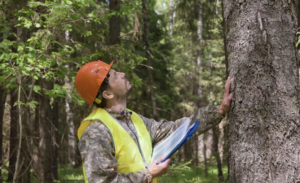
Cities depend on trees for shade, beauty, cleaner air, stormwater support, neighborhood character, and public comfort. A healthy urban canopy can make streets more walkable, parks more inviting, and public spaces more valuable to the people who use them every day. However, the same trees that improve a community can also create serious safety concerns when they become structurally weak, diseased, storm-damaged, or poorly maintained. For city governments, tree safety is not just a landscaping issue. It is a public works issue, a risk management issue, and a community trust issue.
A professional Tree Hazard Assessment gives municipalities a structured way to identify trees that may pose a danger to people, vehicles, sidewalks, roads, utilities, public buildings, and neighboring properties. This type of assessment helps city leaders move from reactive emergency response to proactive public safety planning. Instead of waiting for a limb to fall across a street or a compromised tree to fail during a storm, communities can document risks, prioritize action, and make informed decisions based on professional evaluation.
City government news often focuses on road improvements, public safety budgets, park upgrades, storm recovery, and infrastructure planning. Tree risk belongs in that same conversation. Trees are living infrastructure, and like bridges, sidewalks, drainage systems, and streetlights, they require inspection, maintenance, and long-term planning. The U.S. Forest Service Urban and Community Forestry Program recognizes urban forests as important community assets that require ongoing care, planning, and management. For cities of every size, tree hazard work is one of the practical steps that protects both people and public investment.
Why Tree Hazard Assessment Matters for City Governments
City governments are responsible for maintaining safe public spaces. This includes parks, streets, municipal properties, trails, medians, downtown corridors, public parking areas, schools, libraries, cemeteries, and other shared spaces where residents and visitors gather. When a hazardous tree is located in one of these areas, the potential consequences can be significant. A falling limb can damage a parked vehicle, block emergency access, strike a pedestrian, interfere with utilities, or create liability concerns for the municipality.
A tree may look healthy from a distance while still having internal decay, root instability, included bark, dead limbs, fungal growth, storm cracks, or structural defects. Many of these issues are not obvious to the general public. That is why a formal inspection process is so important. A trained professional can evaluate tree structure, site conditions, targets, species characteristics, health indicators, and likelihood of failure. The goal is not to remove every tree that has a defect. The goal is to understand the level of risk and recommend the most reasonable action.
The International Society of Arboriculture provides education, credentials, and professional resources for arboriculture, helping establish standards of knowledge for tree care professionals. For city governments, working with qualified arborists or tree risk specialists helps ensure that decisions are based on accepted industry practices rather than guesswork or public pressure alone. This matters when budgets are limited, emotions are high, or a beloved public tree requires difficult action.
Trees as Public Infrastructure
Modern city planning increasingly recognizes trees as part of public infrastructure. They cool streets, reduce glare, soften hardscapes, improve walkability, support wildlife, and make neighborhoods more livable. The concept of urban forestry includes the care and management of trees and tree populations in urban settings, and that management includes safety, maintenance, preservation, planting, and long-term planning.
This is especially important in built environments where trees face unique stress. Urban trees often grow near pavement, compacted soil, underground utilities, curb cuts, road salt, poor drainage, vehicle impacts, construction disturbance, and limited root space. These conditions can weaken trees over time. A tree that may thrive in a forest setting can struggle in a narrow tree lawn between a road and a sidewalk. When stress builds over many years, it can increase the likelihood of decline, limb failure, or full tree failure.
For city governments, this means tree safety cannot be treated as a one-time project. It should be part of routine infrastructure management. Just as cities inspect roads after winter, review drainage after major storms, and assess public buildings for maintenance needs, they should also inspect public trees on a scheduled basis. Tree hazard work becomes especially important after severe weather, flooding, construction projects, pest outbreaks, or citizen reports of leaning trees and broken limbs.
What a City Tree Hazard Assessment Looks At
A city tree hazard review typically considers the condition of the tree, the location of the tree, and the likelihood that a failure would affect people or property. A defect matters more when there is a target nearby. For example, a dead limb over an unused wooded area may be a lower priority than a similar limb over a playground, bus stop, sidewalk, or busy street. Professional assessment weighs both the condition of the tree and the consequences if part of that tree fails.
Inspectors may look for deadwood, hanging limbs, cracks, cavities, decay, fungal fruiting bodies, poor branch attachments, root damage, soil heaving, trunk wounds, canopy imbalance, pest activity, and signs of decline. They may also consider the tree species, age, size, growth habit, past pruning history, exposure to wind, proximity to buildings, and recent site disturbance. The USDA Forest Service guide on urban tree risk management was designed to help communities develop programs, train field staff, and identify hazardous defects in urban trees.
Assessment does not always result in removal. Many trees can be managed with pruning, cabling, monitoring, soil improvements, pest treatment, site protection, or restricted access beneath a hazardous branch. In other cases, removal may be the safest and most responsible choice. The value of a structured assessment is that it creates a documented process for choosing the right response based on risk, not assumption.
How Tree Risk Planning Supports Public Safety
Public safety departments often deal with the consequences of tree failure after the fact. A tree falls across a road, a limb lands on a vehicle, a storm damages a park, or emergency crews must clear access for fire, police, or medical response. Tree hazard planning helps reduce these disruptions by identifying risks before they become emergencies.
This is especially valuable for public works departments. When tree risks are documented, crews can prioritize the highest-risk locations first. A city may choose to focus on trees near schools, senior centers, high-traffic roads, public trails, municipal buildings, and storm evacuation routes. Instead of treating every complaint the same, city staff can use professional recommendations to create a ranked maintenance plan.
A strong assessment program also helps city councils and administrators explain budget decisions to the public. Tree work can be expensive, and residents may not always understand why pruning, removals, or replacements are necessary. Clear documentation helps officials show that decisions are made for safety, sustainability, and long-term canopy health. In that way, hazard assessments improve both risk management and public communication.
The Role of Documentation and Accountability
Documentation is one of the most important parts of municipal tree risk management. A city that keeps clear records can show when trees were inspected, what conditions were observed, what recommendations were made, and what actions were taken. This can be helpful for budgeting, grant applications, insurance discussions, emergency planning, and future inspections.
Good records also help prevent inconsistent decision-making. Without documentation, tree work can become complaint-driven or politically driven. One resident may demand removal of a tree because leaves fall on a driveway, while another may object to removing a tree with visible decay. Professional documentation gives city officials a neutral reference point. It helps separate personal preference from public safety.
Cities can also use tree inventory software, GIS mapping, and inspection records to track patterns across neighborhoods. If multiple trees in one area are declining due to pests, poor soil, or construction damage, the city can respond strategically. The Urban Forest Inventory and Analysis Program focuses on assessing trees and forests in urban settings, including their condition, benefits, and risks. Municipal-level documentation follows the same basic principle: better information leads to better management.
Balancing Safety With Tree Preservation
A responsible tree hazard program does not mean removing every old or imperfect tree. Mature trees provide major community benefits, and cities should preserve healthy public trees whenever possible. The best programs balance public safety with canopy preservation. They identify true hazards, recommend reasonable mitigation, and replace removed trees when appropriate.
This balance matters because public trust can be damaged when residents feel trees are removed without explanation. Many people have emotional attachments to large street trees, historic trees, park trees, and neighborhood shade trees. A professional assessment gives city leaders a way to explain why a tree can be retained, monitored, pruned, or removed. It also helps communities avoid unnecessary removals that reduce shade, beauty, and environmental benefits.
Tree preservation and public safety should not be treated as opposing goals. They work best together. When cities inspect trees regularly, they often catch problems early enough to preserve more trees. A pruning recommendation today may prevent a major limb failure later. Soil protection during construction may prevent root decline. Monitoring a tree after storm damage may allow it to remain safely in place. Preventive care is often better for both safety and canopy longevity.
Storm Preparedness and Emergency Response
Severe weather is one of the biggest reasons city governments need tree hazard planning. Heavy rain, saturated soil, high winds, ice, snow, and lightning can expose weaknesses that were already developing inside a tree. A city that has not inspected vulnerable trees may face more blocked roads, damaged utility lines, emergency removals, and public complaints after a storm.
Tree hazard assessments can support storm preparedness by identifying trees that need pruning, removal, or monitoring before storm season. This is especially important near emergency routes, power corridors, drainage channels, public buildings, and heavily used parks. After a storm, follow-up inspections can identify newly damaged trees that may not fail immediately but could become dangerous in the days or weeks that follow.
Municipal leaders can also coordinate tree risk work with broader emergency management planning. The Federal Emergency Management Agency provides resources for disaster preparedness and recovery, and city-level planning often includes debris removal, public safety communication, infrastructure restoration, and hazard mitigation. Trees fit naturally into that planning because they can become both storm assets and storm hazards, depending on their condition and location.
How Tree Hazard Assessments Improve City Budgets
Budget planning is easier when a city knows the condition of its public tree population. Without assessment data, tree work often becomes reactive. Emergency removals, after-hours crews, road closures, equipment rentals, and storm cleanup can cost far more than planned maintenance. A proactive approach helps city governments spread costs over time and make more efficient use of staff and contractors.
A documented hazard assessment allows cities to group work by priority, location, and equipment needs. For example, a municipality may schedule pruning in one district, removals in another, and follow-up inspections in parks after storm season. This can reduce mobilization costs and improve crew efficiency. It also helps city administrators justify funding requests because recommendations are tied to visible safety needs.
Tree risk planning can also support grants and partnerships. Urban forestry programs, environmental initiatives, stormwater projects, and community development plans often benefit from accurate tree data. When a city can show that it understands its public tree assets and risks, it is better positioned to make a credible case for funding, maintenance support, and long-term investment.
Public Communication and Community Confidence
Residents want safe streets, reliable services, attractive parks, and transparent decision-making. Tree hazard assessments help city governments communicate clearly about all four. When a city removes a dangerous tree, residents are more likely to understand the decision if officials can explain the safety concern and the plan for replacement. When a city preserves a large tree, residents can trust that the decision was made with professional input.
Public communication can include city website updates, council meeting reports, public works notices, park signage, neighborhood alerts, and storm preparation reminders. A city may also encourage residents to report hanging limbs, sudden leaning, cracked trunks, uprooted soil, or large dead branches near public areas. These reports should not replace professional inspection, but they can help city staff identify issues faster.
The National League of Cities regularly covers municipal priorities, governance, infrastructure, and community issues affecting local governments. Tree hazard planning fits within that broader city government news landscape because it connects public safety, infrastructure management, budgeting, sustainability, and resident communication.
Building a Strong Municipal Tree Risk Program
A strong municipal tree risk program begins with leadership commitment. City officials should recognize trees as public assets that require professional care. From there, communities can build a practical program that includes inventory, inspection schedules, risk ranking, maintenance priorities, emergency response procedures, public communication, and replacement planting.
The program does not have to be overly complicated to be effective. Smaller towns may begin with inspections of high-use areas such as parks, city hall, schools, main streets, and public parking lots. Larger cities may need a GIS-based tree inventory, dedicated urban forestry staff, specialized contractors, and a multi-year maintenance plan. The size of the program should match the size of the community, the number of public trees, and the level of risk exposure.
Training is also important. Public works employees, parks staff, and code enforcement personnel may be the first to notice visible defects. While they may not perform advanced assessments, they can be trained to recognize warning signs and refer concerns to qualified professionals. This creates a stronger early-warning system and helps the city respond before small problems become major incidents.
Conclusion
City Government Tree Hazard Assessment is more than a maintenance task. It is a safety check that every community should understand and value. Trees make cities healthier, cooler, more attractive, and more livable, but they also require responsible oversight. When municipalities inspect trees, document risks, prioritize maintenance, and communicate clearly with residents, they protect both public safety and the long-term health of the urban canopy.
A professional assessment gives city leaders the information they need to make confident decisions. It helps prevent avoidable accidents, supports storm readiness, improves budgeting, protects public property, and builds trust with residents. Most importantly, it allows communities to care for their trees in a way that is both practical and responsible.
Every city has roads, buildings, sidewalks, parks, and utilities to maintain. Public trees deserve the same level of attention. With regular tree hazard assessments, city governments can preserve the benefits of urban trees while reducing risks for the people who live, work, drive, walk, and gather beneath them.